Představení sbírky
ENGLISH VERSION BELOW
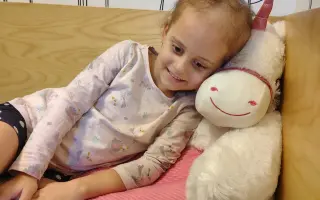
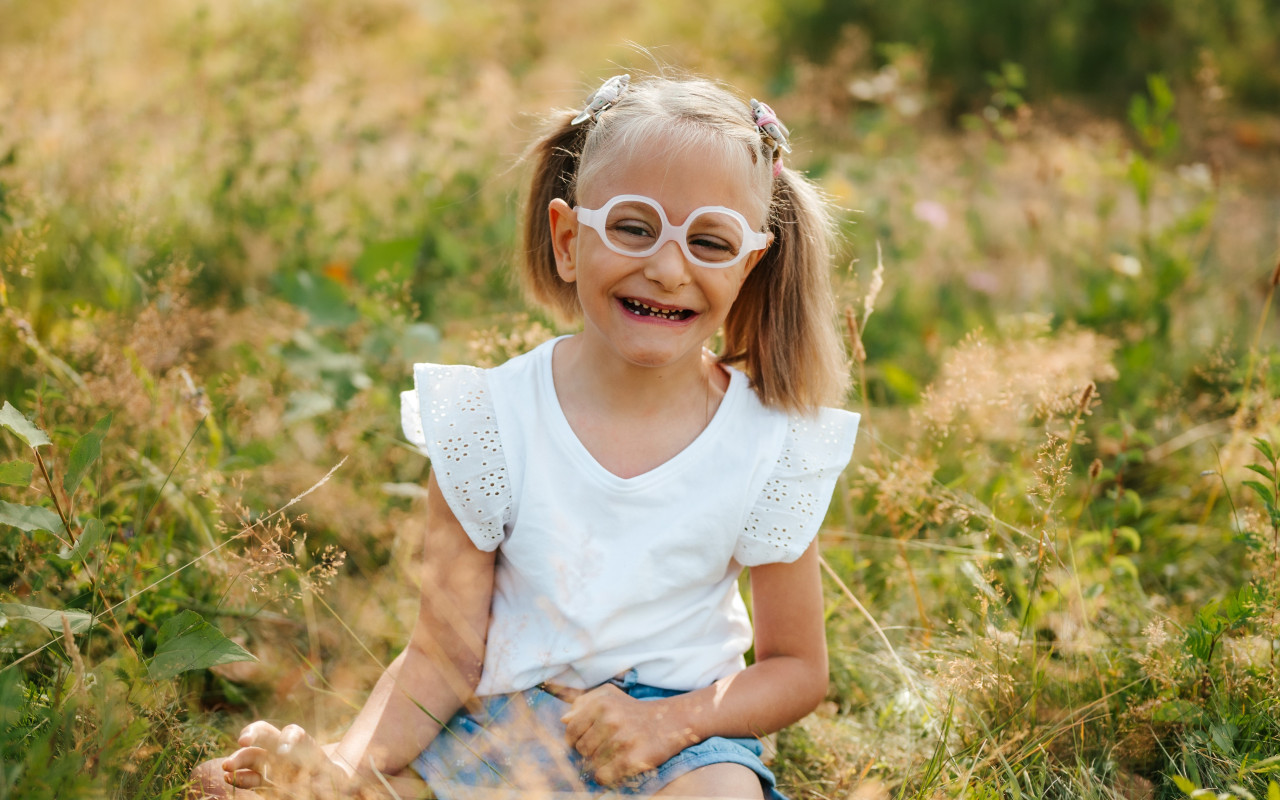
Příběh Barunky začal v roce 2018. Byla jsem těhotná a s manželem se těšila na jednovaječná dvojčata Emu a Báru. Pro svůj klid jsem začala docházet na kontroly na jedno z nejlepších pracovišť v ČR. Mé obavy z možných rizik lékaři zmírňovali slovy: „Nebojte, my si Vás tu pohlídáme.“ Věřila jsem, že jsem v nejlepších rukách a lékařům plně důvěřovala.
Ve 22. týdnu těhotenství zastupující lékařka bohužel podcenila mé každodenní poměrně silné bolesti břicha, které mi navíc začínalo rychle růst. Propouštěla mě z gynekologické ambulance s komentářem: „Dejte si nohy nahoru.“ V těhotenství se má myslet pozitivně a nestresovat se, a tak jsem jako nezkušená prvorodička věřila, že je vše v pořádku, že bříško s dvojčaty musí být větší a asi bude i více bolet.
Na další kontrole za 2 týdny bylo z minuty na minutu všechno jinak. Transfuzní syndrom jednovaječných dvojčat ve III. stupni a výrazně opožděný růst Barunky kvůli nedostatku živin a kyslíku. Okamžitá laserová operace placenty a odsátí přebytečné plodové vody už neodvrátily předčasný porod. Naše holčičky se musely narodit extrémně brzy ve 25. týdnu těhotenství.
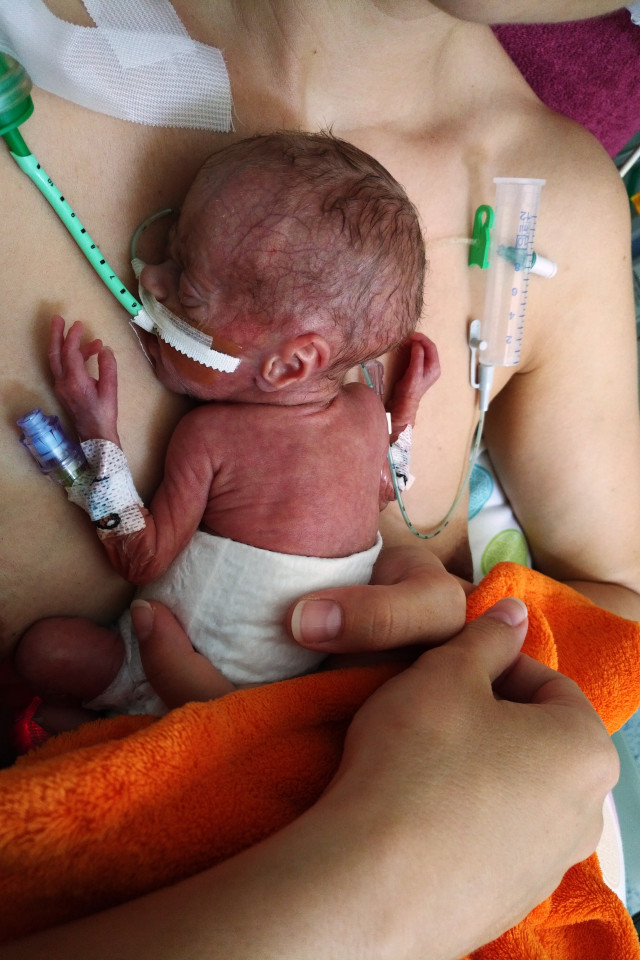
Začal velký boj o jejich záchranu na oddělení RES/JIP. Místo, kde není prostor na chyby, kde sebemenší zaváhání lékařů a zdravotního personálu může mít fatální následky. Ema zvládla předčasný příchod na svět na štěstí bez větších komplikací. Barunka vážila pouhých 590g a v prvních dnech po porodu zhubla pod půl kila. Prodělala řadu vážných komplikací včetně život ohrožujících křečí.
Díváte se do inkubátoru na to malinkaté tělíčko, v ručičkách, nožkách i na čelíčku napíchnuté žíly pro podávání léků a jen bezmocně přihlížete, jak vaše dítě v kritickém stavu bojuje o svůj život. Bára ale všem ukázala, jak obrovská bojovnice je. Její stav se pomalinku lepšil. Ultrazvuk mozku ukazoval I. stupeň krvácení, což nám dávalo velkou naději, že Bára zvládne těžký start do života snad bez větších neurologických následků.
Bohužel Barunce nebylo přáno. Krátce po porodu byla zaintubovaná a dýchal za ni přístroj. Jeden den se ale při klokánkování odpojila hadice s přívodem kyslíku od přistroje a kvůli zaváhání ošetřující sestry byla Barunka několik dlouhých minut bez kyslíku a dusila se. Okysličení krve kleslo k 10 %, Bára byla během chvíle celá fialovočerná a všechny sestry z oddělení se ji pokoušely rozdýchat. Na štěstí se to podařilo a Barunka začala dýchat. Mysleli jsme si, že jsme tuhle hrůzostrašnou situaci zvládli a můžeme na ni zkusit zapomenout. Ale…
Velké výkyvy v okysličení krve jsou pro takto malinká miminka velmi nebezpečné. Jejich cévy v mozku jsou křehké a mohou v důsledku velkých výkyvů v okysličení krve prasknout kvůli měnícímu se vnitřnímu tlaku.
Lékaři v následujících dnech začali neurčitě mluvit o potřebě magnetické rezonance mozku s odůvodněním, že ultrazvuk jim nezobrazí mozek v plném detailu. Na magnetickou rezonanci jsme ale museli čekat několik měsíců do doby, kdy Barunka zvládla převoz sanitkou do jiné nemocnice. Magnetická rezonance bohužel ukázala vážné poškození mozku, především prokrvácení mozečku a mozkového kmene.
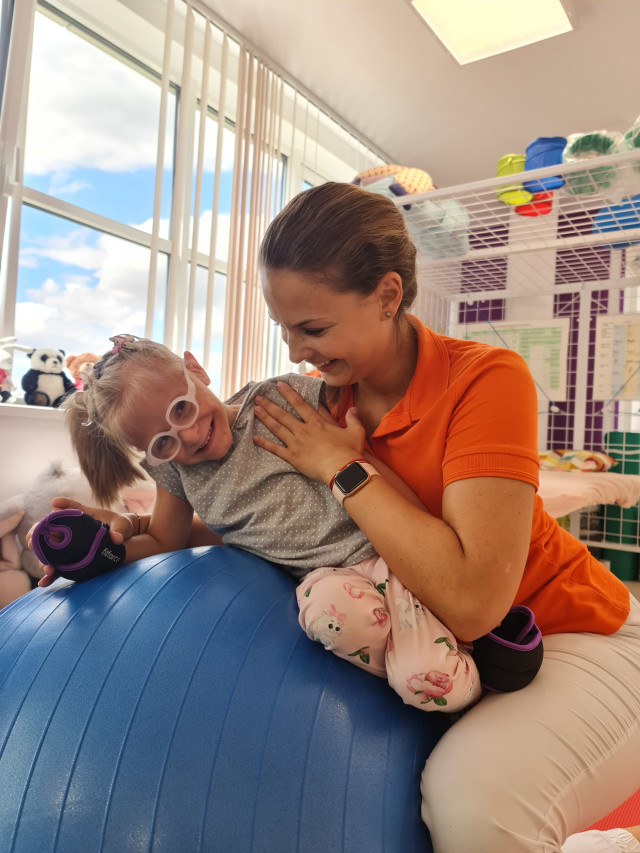
Byla to rána, naše naděje byly ty tam. Neurolog nám nastínil, jak asi bude Báry neurologický vývoj vypadat a kladl důraz na rehabilitace a jejich přínosy. Od té chvíle jsme věděli, že naše životy a rodina nebudou takové, jaké jsme si představovali. Zároveň jsme byli od první chvíle odhodlaní udělat maximum, abychom Báře umožnili dojít v jejím možném vývoji co nejdále.
English:
Introduction to the Collection for Barunka
Barunka's story began in 2018. I was pregnant, and my husband and I were looking forward to the identical twins Ema and Bára. For my peace of mind, I started attending check-ups at one of the best facilities in the Czech Republic. My concerns about potential risks were eased by the doctors who said, „Don't worry, we'll take care of you.“ I believed I was in the best hands and had complete trust in the doctors.
In the 22nd week of pregnancy, the stand-in doctor unfortunately underestimated my daily, relatively strong abdominal pains, which were also rapidly increasing. She discharged me from the gynecological clinic with the comment, „Put your feet up.“ During pregnancy, you're supposed to think positively and avoid stress, so as an inexperienced first-time parent, I believed everything was fine, that my belly with the twins had to be bigger and maybe even more painful.
On the next check-up in 2 weeks, everything changed from one minute to the next. Twin-to-twin transfusion syndrome in stage III and significant delayed growth in Barunka due to a lack of nutrients and oxygen. Immediate laser surgery of the placenta and amnioreduction couldn't prevent the premature birth. Our girls had to be born extremely early in the 25th week of pregnancy.
A great battle for their survival began in the RES/NICU department. It's a place where there's no room for error, where even the slightest mistake by doctors and healthcare staff can have fatal consequences. Fortunately, Ema managed her premature arrival into the world with no major complications. Barunka weighed only 590 grams, and in the first days after birth, she lost weight to less than half a kilogram. She suffered numerous serious complications, including life-threatening seizures.
You look into the incubator at that tiny little body, with veins pierced on her hands, feet, and forehead for administering medication, and you helplessly watch your child fighting for her life in critical condition. But Bara showed everyone what a tremendous fighter she was. Her condition slowly improved. Brain ultrasound showed a grade I brain hemorrhage, giving us great hope that Bara could handle the tough start to life without significant neurological consequences.
Unfortunately, it wasn't meant to be for Bara. Shortly after birth, she was intubated and had a ventilator breathe for her. But one day, during kangaroo care, the oxygen tube got accidently disconnected. Due to a nurse's confusion and mistake, Barunka was left without oxygen for several long minutes, struggling to breathe. Blood oxygen levels dropped to 10%, and Bara turned completely purple-black, with all the nurses on the unit trying to revive her. Thankfully, they succeeded, and Barunka started breathing again. We thought we had overcome this horrifying situation and could try to forget it. But…
Significant fluctuations in blood oxygenation are very dangerous for such tiny babies. Their brain vessels are fragile, and due to the changing internal pressure from large oxygenation swings, they can rupture.
In the following days, doctors began to vaguely talk about the need for a magnetic resonance imaging (MRI) of the brain, reasoning that an ultrasound couldn't show the brain in full detail. However, we had to wait for several months for the MRI, until Barunka was stable enough to be transported by ambulance to another hospital. Unfortunately, the MRI revealed severe brain damage, particularly bleeding in the cerebellum and brainstem.
It was a blow; our hopes were shattered. The neurologist outlined what Bara's neurological development might look like and emphasized the importance of rehabilitation and its benefits. From that moment, we knew that our lives and family wouldn't be as we had imagined. At the same time, we were determined from the very beginning to do everything possible to help Bara reach her full potential in development.