Představení sbírky
Chtěla bych se s Vámi podělit o příběh naší rodiny, jak se náhle život nás všech převrátil naruby. Jmenuji se Anastasiya a pocházím z Běloruska. Jsem matka 3 malých dětí, o které se starám sama. Nejmladší syn Serghej je doživotně postižený.
Trpí centrální hypotonií (= nízké napětí svalů), jež se projevuje trvalým těžkým psychomotorickým opožděním. K tomu má epilepsii – často nás provází bezesné noci, kdy Serghej kvůli záchvatům nemůže spát a jen pláče – a vykazuje některé formy autismu.
Dětem s hypotonií se někdy říká „hadrové panenky“, jejich končetiny v podstatě bezvládně visí, ovládání pohybů hlavy bývá také pracné. Přestože jsou jejich svaly ochablé, příčina není v pohybovém aparátu, ale jedná se o poruchu neurologickou. K problémům s mobilitou a držením těla se přidružují potíže s tvorbou řeči a slabé reflexy. V případě Serži hypotonie vznikla v důsledku poškození centrální nervové soustavy.
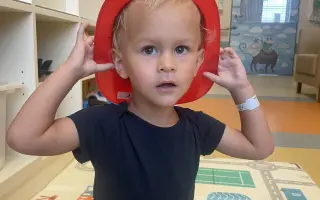
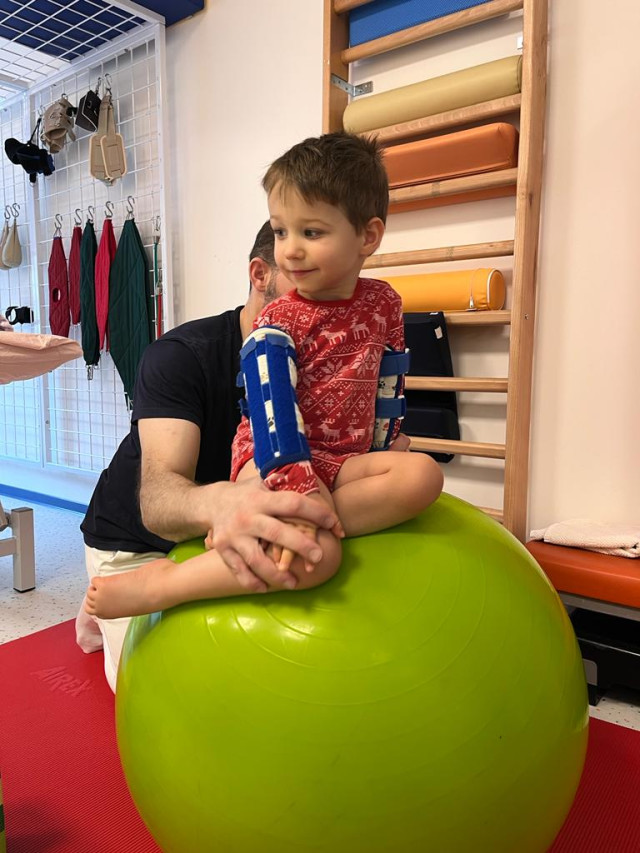
Serjožka se statečně pere se svou nemocí a navzdory veškerým omezením je to veselý kluk. Přínos terapií je nesporný, Serža dělá obrovské pokroky jak v motorice, tak po mentální stránce. Nyní je mu 4 a půl roku, začíná se plazit, stoupat si u nábytku a na krátkou chvíli udrží rovnováhu, když ho držíme za ruce, případně se o něco opírá.
Neobejde se bez asistence jiné osoby, aby mohl vykonat všední činnosti.
Vím, že nás čeká celoživotní boj a těžká dřina podmíněná každodenním cvičením, nicméně jsem odhodlaná nepolevit. Ráda bych svému synovi do budoucna zajistila jednodušší a především důstojnější život, kdy nebude muset být odkázán tolik na pomoc druhých. Aby za pár let mohl sám vstát a udělat první kroky, aby se mohl sám najíst a dojít na toaletu. Aby mohl uchopovat věci a alespoň základně mluvit, hrát si jako ostatní děti.
Věřím, že toto všechno jednou bude schopen dokázat!
Komu pomůžeme?
Mé třetí těhotenství se Serghejem probíhalo standardně, všechny předporodní screeningy vyšly v pořádku, cítila jsem se dobře. Vše se ovšem změnilo ve 34. týdnu, kdy mě začalo bolet břicho kvůli ruptuře (prasknutí) dělohy. Serghej tak přišel na svět akutním císařským řezem.
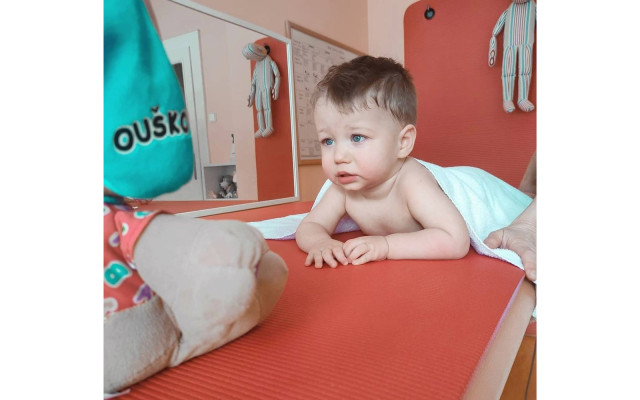
Následně strávil několik týdnů na oddělení JIP. Chlapeček plakal ve dne v noci, bylo to nesmírně náročné, ale doufali jsme, že toto období nakonec pomine. Naneštěstí vyšlo najevo, že Serghej prodělal přenosnou infekci v poporodním období, která zasáhla a nenávratně poškodila centrální nervový systém. Bylo nám vysvětleno, že se jedná o mozkovou obrnu, která byla později opravdu diagnostikována. Specificky jde o jedinečnou poruchu atonicko-astatické formy dětské mozkové obrny. Jeho svaly nedokážou správně fungovat a bez stálé pomoci by zůstal upoutaný na lůžko.
Ve stejnou dobu jiné vyšetření ukázalo dříve nezjištěné vrozené srdeční vady.
V tu chvíli jsem věděla, že se nám všem navždy změní život.
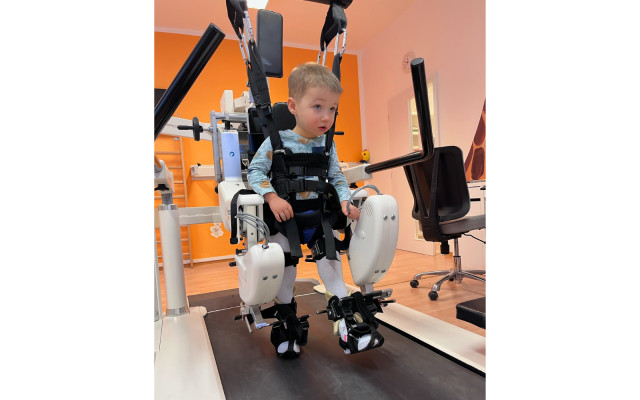
Čas plynul, Serjožka dávno oslavil svůj první rok, ale stále neuměl lézt, sedět, postavit se na nohy. Dětský neurolog, který byl seznámen se synovým stavem, mi doporučil Vojtovu metodu v České republice, která by Serjožkovi mohla rozhýbat a posílit svalstvo. Začala jsem tedy s ním jezdit každých čtvrt roku do Čech, kde jsou přímo ti nejkvalifikovanější pracovníci. Po pár měsících rehabilitací a nespočtu hodin poctivého cvičení se dostavily první výsledky. Následovala terapie v neurorehabilitačním centru Axon v Praze na Vyšehradě a jako zázrakem se Serjožka začal stavět na čtyři a postupně i začal držet tělo ve vzpřímené pozici.
Tyto cviky evidentně zlepšovaly Serjožkův pohybový vývoj, ale cestování bylo namáhavé a hlavně nákladné. Proto jsme se do České republiky přestěhovali s dětmi nastálo. Bohužel ale už bez manžela, se kterým jsme se rozvedli.
Začátky byly složité a bez podpory pár dobrých přátel, kteří nám pomohli sehnat byt a mně práci, bych si to ani neuměla představit.
Jako jeho maminka si přeji pro Serjožku to nejlepší a neztrácím naději. Snažím se dělat maximum pro to, abychom se vzepřeli nepřízni osudu. Nedokážu však již dále pokrýt veškeré náklady spojené s jeho diagnózou a léčbou. A tak jsem se rozhodla touto cestou oslovit všechny dobré lidi a požádat o pomoc. Abychom mohli v léčení pokračovat a podpořit viditelný progres, neboť to má smysl. Aby nedostatek financí nebyl překážkou v jeho usilovném boji, když už zdolal tolik jednotlivých bitev. I sebemenší dar posune Serjožku vpřed na jeho cestě za šťastnějším dětstvím, kvalitnějším životem a výrazně tak ulehčí všem členům rodiny.
Všem dárcům srdečně děkujeme.
Na co konkrétně budou peníze z této sbírky použity?
Budeme vděční za jakýkoliv příspěvek. Z vybraných peněz bude financována navazující léčba na neurorehabilitační klinice Axon, další pozorování v nemocnici Motol a ostatní vhodné intenzivní programy, jako jsou logopedie, lokomat, ergoterapie atd. Speciálně upravený kočárek, který usnadní veškerou naši logistiku, kompenzační a ortopedické pomůcky, léky. Dále pak soukromá integrační školka na dobu 2 let a odborná asistence.
_
ENG
I would like to share the story of our family with you, how life suddenly turned upside down for all of us.
My name is Anastasiya and I am from Belarus. I am a mother of three small kids whom I take care of myself. My youngest son Sergei has a lifelong disability.
He suffers from central hypotonia ( = abnormally low muscle tone) which shows permanent severe psychomotor retardation. Moreover he has epilepsy – we often spend sleepless nights when Sergei cannot sleep because of seizures and he only cries – and he has some symptoms of different forms of autism.
Children with hypotonia are sometimes called „rag dolls“, their limbs are basically floppy, hanging loosely; also controlling head movements is demanding. Although their muscles are flaccid, it is a neurological disorder, not a musculoskeletal one. Besides mobility and postures problems there are difficulties with speech production mechanisms and weak reflexes. In Sergei's case hypotonia originates from an injury of the central nervous system.
Seryozha is bravely fighting his illness and despite all limitations he is a cheerful boy. Benefits of therapies are undeniable, Sergei is making great headway both in motor skills and mental health. Now he is 4 and a half years old, he is starting to crawl, stand along furniture and he can keep his balance for a short while when holding our hands or leaning his body against something. He is not able to do daily routines without another person's assistance.
I know we have a long-lasting struggle and hard work ahead of us conditioned by everyday exercises, but I am determined not to surrender. I would like to provide my son with an easier and above all more dignified life in the future, when he will not have to be dependent so much on other people's help. So that he can get up and take his first steps on his own, to eat and go to toilet himself in a few years. So that he can grasp things and at least simply talk, play like other children.
I do believe he will be able to manage all of that one day!
My third pregnancy with Sergei was going well, all prenatal screening tests were fine, I felt alright. However, everything changed in the 34th week when I had to deal with abdominal pain caused by the uterine rupture. Therefore, Sergei was born by an acute C-section.
Afterwards he stayed several weeks in the ICU. My baby boy was crying day and night, it was extremely tough, but we hoped this period would eventually pass. Unfortunately, it turned out that Sergei had had a transmissible infection in the postnatal period that affected and irreversibly damaged his central nervous system. They explained to us that it is cerebral palsy which really was diagnosed later. Specifically, it is an unique disorder of atonic-astatic form of childhood cerebral palsy. His muscles cannot function properly and he would end up bedridden without constant assistance. At the same time another examination revealed previously undetected congenital heart defects.
I realized that this moment completely changed our lives forever.
Time was passing, Sergei celebrated his first year long ago, but he still could not crawl, sit or stand up. A child neurologist, who was familiar with my son's condition, recommended Vojta method in the Czech Republic to us, which could likely mobilize and strenghten Sergei's muscles. Then we started going every three months to the Czech Republic where the most qualified experts are. We could see the first results coming after a few months of rehabilitation and countless hours of dutiful exercises, followed by another therapy at the neurorehabilitation centre Axon in Prague-Vysehrad. It felt like a miracle when Sergei got down on all fours and gradually was able to hold his body upright.
This technique was clearly improving Sergei's motor development, but travelling was exhausting and mainly expensive. That is why I moved with the children to Czechia, but without my husband because we got divorced. It was difficult at the beginning and I could hardly imagine that without my close friends' support; they helped us find a flat and a job for me.
As his mum I want the very best for Seryozha and I still have faith against all odds. I am doing everything to defy fate. Nevertheless I can no longer cover all costs related to his diagnosis and treatment. For this reason I decided to approach all good people and ask for help this way. To be able to continue his therapy and encourage the apparent progress, because it is worth it. So that the lack of funds would not be an obstacle in his relentless fight since he has already overcome too many individual battles. Even the smallest donation can move Sergei forward on his journey to a happier childhood, a better quality of life and relieve all members of the family of stress.
We truly thank you all for your help.