
Představení sbírky
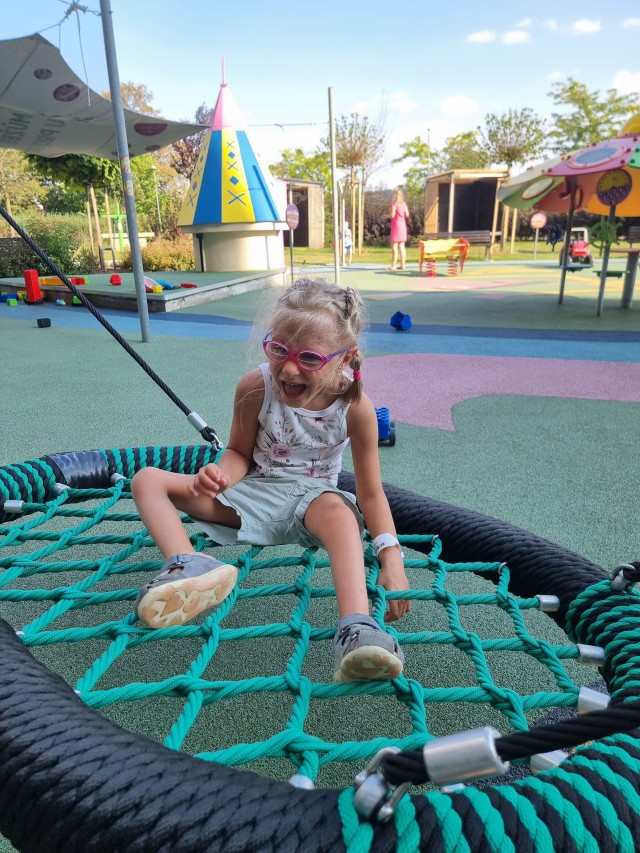
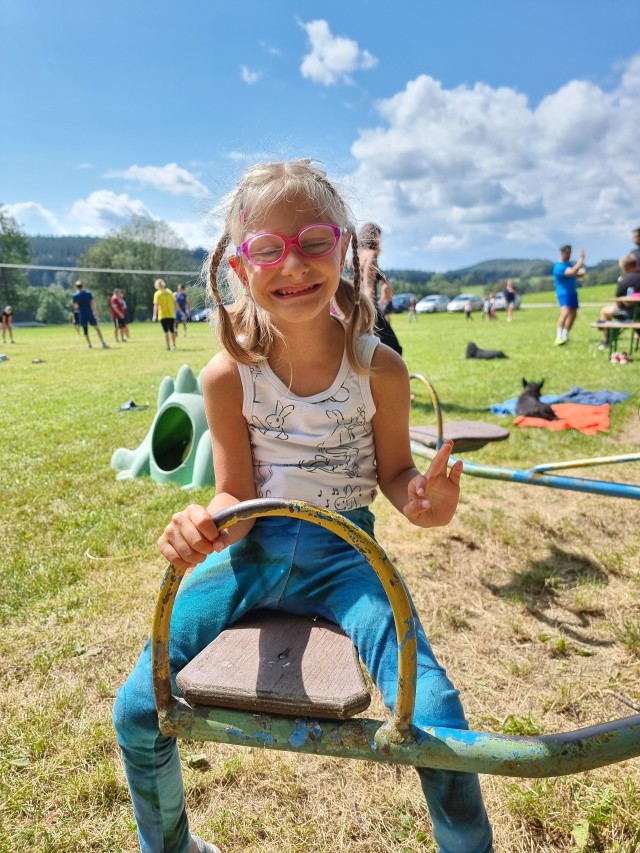
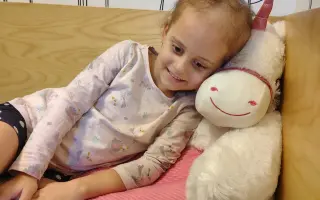
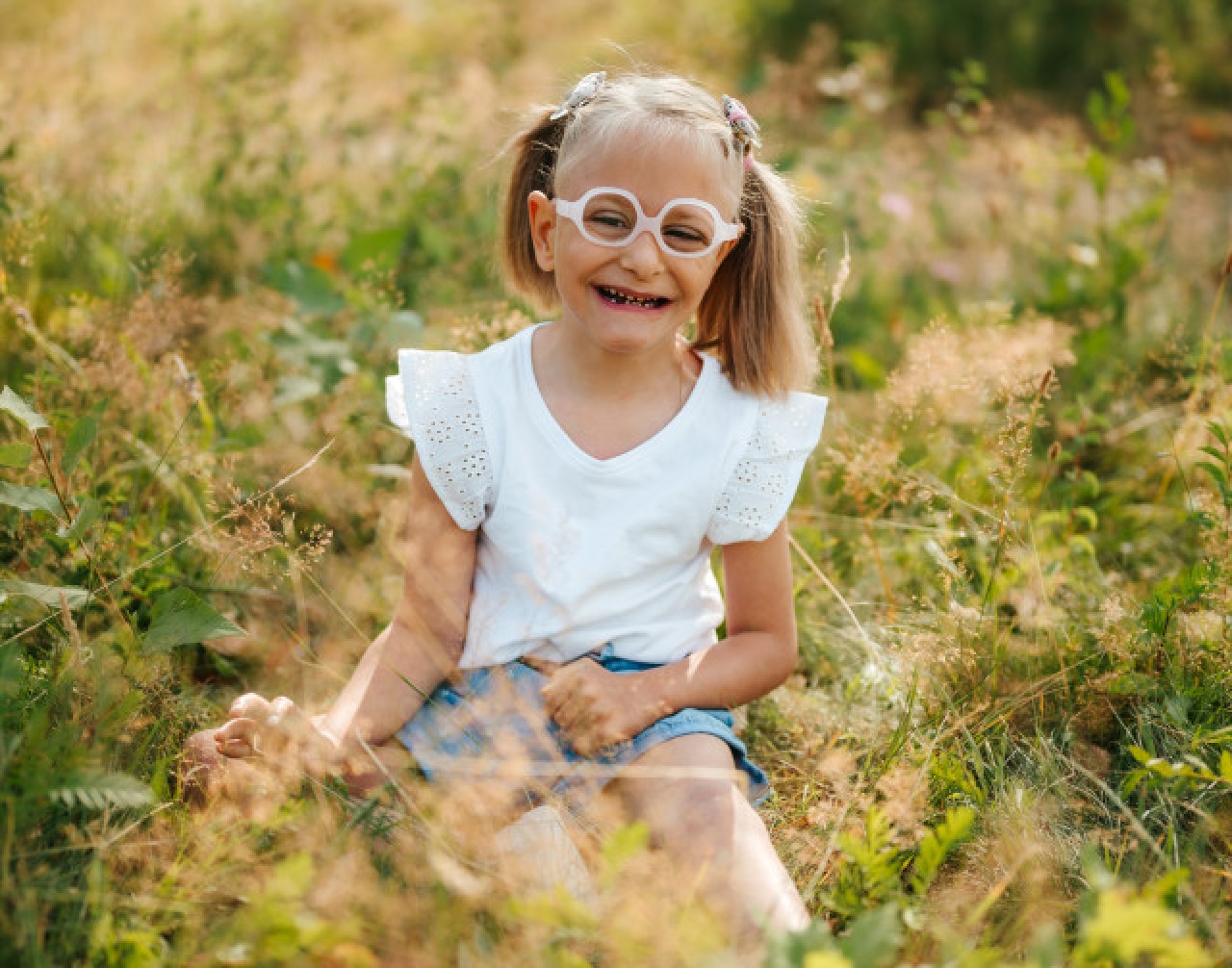
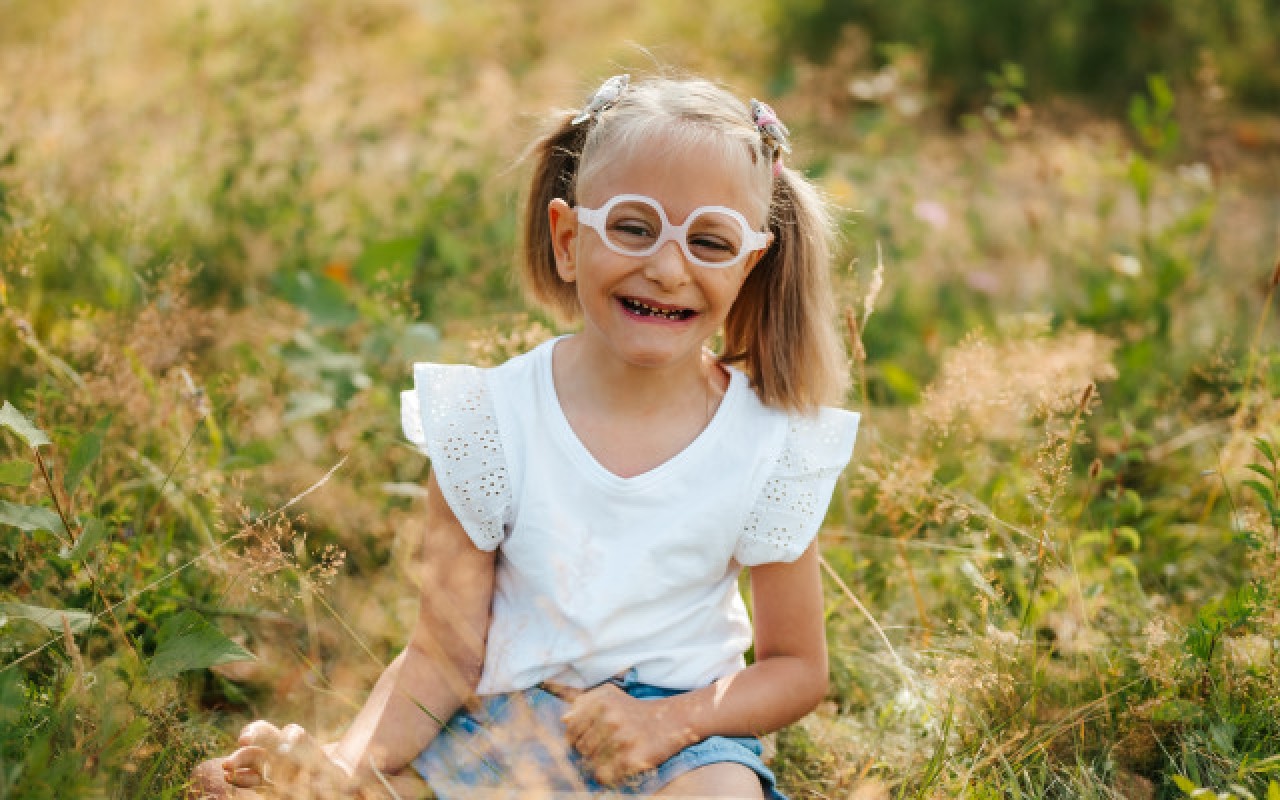
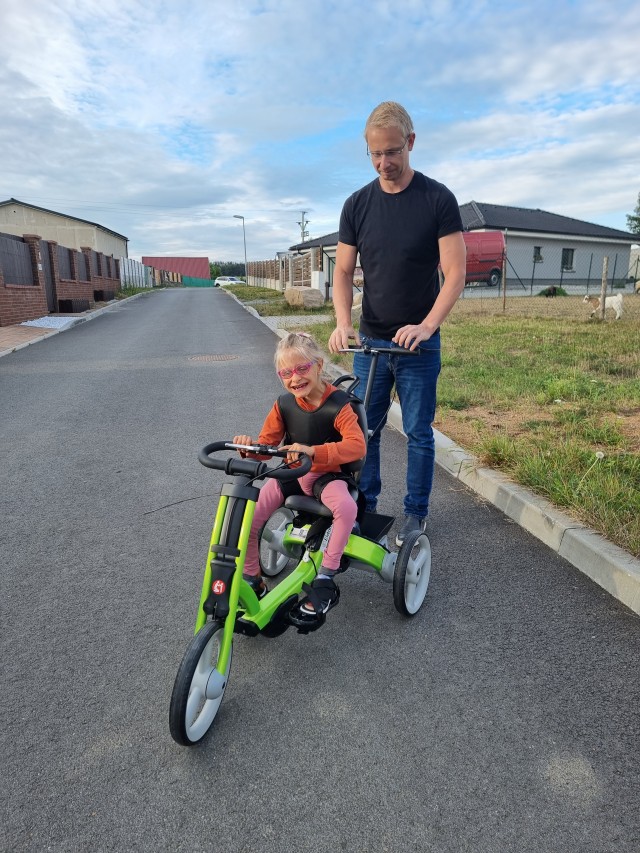
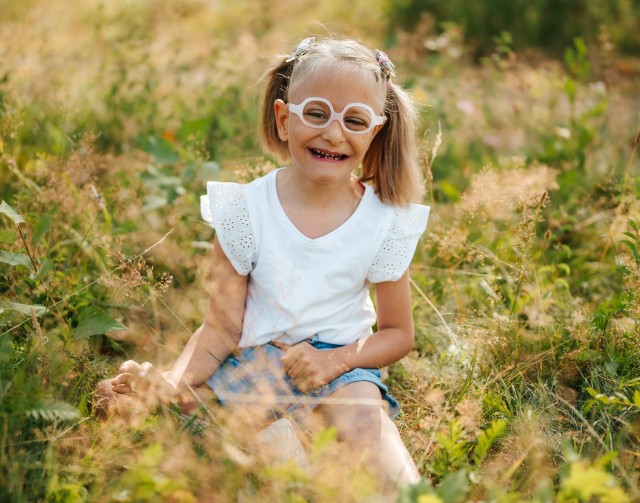
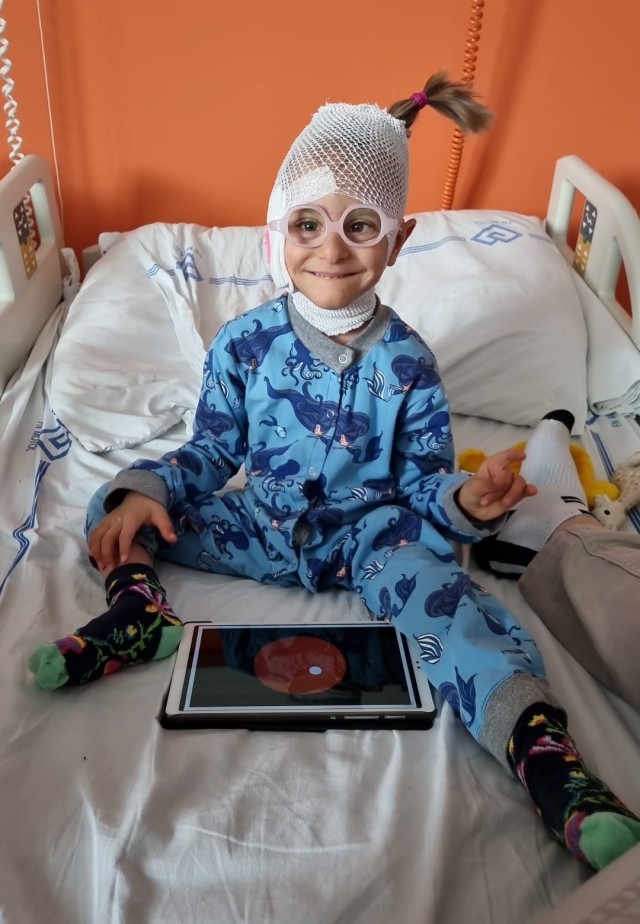
Sbírku zakládáme pro naši malou bojovnici Barunku, která je i přes všechny životní výzvy veselá a zvídavá holčička s velkou chutí do života.
English Translation
We are starting a collection for our little fighter Barunka, who, despite all life's challenges, is a cheerful and curious little girl with a great zest for life.
Komu pomůžeme?
Kvůli vážnému poškození mozku (především mozečku) má Barča velký problém s rovnováhou a koordinací pohybů. Naučila se posadit a posouvá se po zadečku, což jí umožňuje se nám pravidelně schovat a bez jediného zvuku si užít, jak ji v panice hledáme.
Barča neumí cíleně používat ručičky, takže nám občas uštědří záhlavek nebo třeba někoho píchne prstem do oka. Mozeček také ovlivňuje řeč, myšlení a vyhodnocuje zrakové informace. Barunka nemluví, ani nekomunikuje jinou alternativní formou. Nicméně Barča se směje, třeba právě když slyší „AUU“ po zmiňovaném záhlavku nebo křičí, když ji něco zaujme.
V důsledku náročné poporodní léčby je hluchá, sluch nahrazují kochleární implantáty. Bára identifikuje některé zvuky, ale řeči nerozumí.
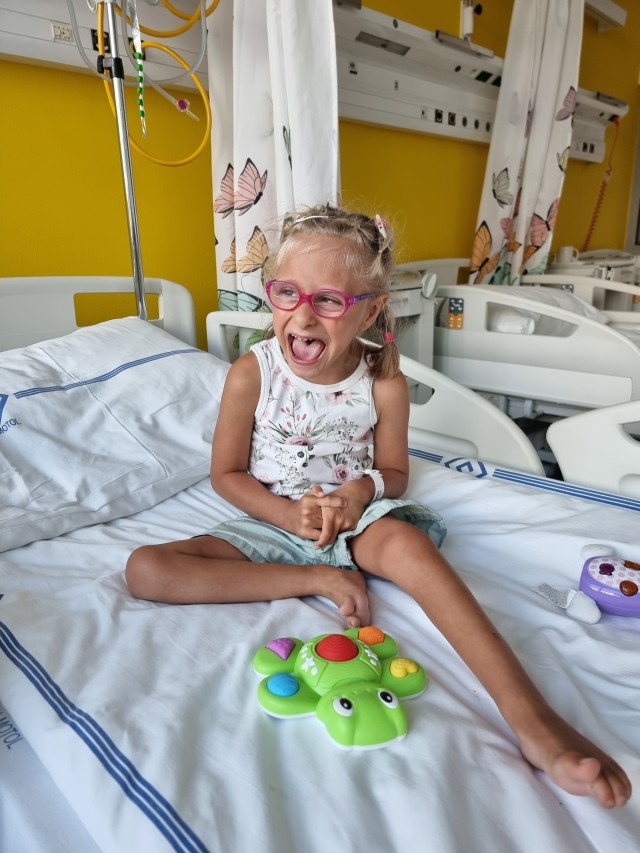
Od narození má problémy s trávením. Po několikaletém zjišťování byla zatím stanovena diagnóza Crohnova nemoc a čekáme na výsledky dalšího vyšetření. Většinu diety přizpůsobené Crohnově nemoci Báře podáváme přes výživovou sondu PEG.
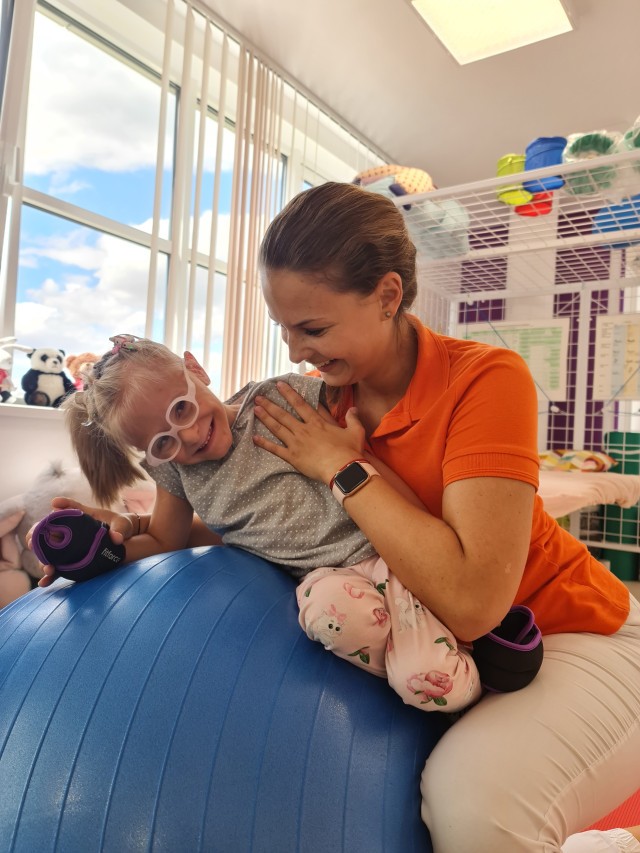
Bářin program je plný cvičení a stimulace. Ergoterapie, intenzivní neurorehabilitace, Feldenkreis metoda, posturální jógová terapie, orofaciální stimulace, logopedie a hiporehabilitace Báře pomáhají uvědomovat si vlastní tělíčko, posilovat ho a učit se správné pohybové vzorce. Pokroky jsou extrémně pomalé, ale jsou a Barča se díky nim může aktivněji zapojovat do života a do společných rodinných aktivit.
English Translation
Due to severe brain damage (especially the cerebellum), Barča has significant problems with balance and coordination of movements. She has learned to sit up and scoots around on her bottom, which allows her to regularly hide from us and silently enjoy how we search for her in panic.
Barča cannot purposefully use her hands, so she occasionally delivers a head-butt or pokes someone in the eye. The cerebellum also affects speech, thinking, and the processing of visual information. Barunka does not speak or communicate in any alternative form. However, Barča laughs, especially when she hears „OUCH“ after the aforementioned head-butt or screams when something catches her interest.
As a result of challenging postnatal treatment, she is deaf, with cochlear implants replacing her hearing. Bára recognizes some sounds but does not understand speech.
Since birth, she has had digestive issues. After several years of investigation, Crohn's disease has been diagnosed, and we are awaiting further examination results. Most of her Crohn’s disease-specific diet is administered through a PEG feeding tube.
Bára’s schedule is full of exercises and stimulation. Occupational therapy, intensive neurorehabilitation, Feldenkrais method, postural yoga therapy, orofacial stimulation, speech therapy, and hippotherapy help her become aware of her own body, strengthen it, and learn correct movement patterns. Progress is extremely slow, but it exists, and thanks to it, Barča can more actively participate in life and family activities.