Představení sbírky
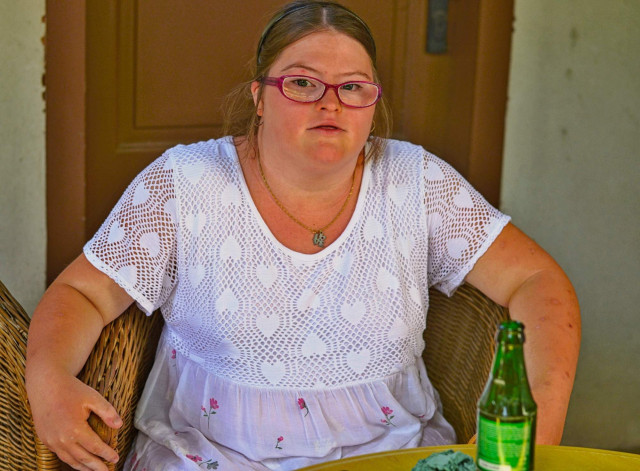
Sbírka je pro Elišku, dívku s Downovým syndromem, které po těžkém zápalu plic způsobeném streptokokem musely být amputovány obě nohy. Donedávna ráda tancovala, plavala, veslovala. V rámci své komunity a rodiny žila společenským životem. Přáli bychom si, aby jí vybrané prostředky pomohly alespoň částečně vrátit se k aktivnímu životu, jaký vedla před nemocí.

The fundraiser is for Eliška, a girl with Down syndrome, who had to have both legs amputated after a severe pneumonia caused by streptococcus. Until recently she liked to swim, dance, row. She lived a social life within her community and family. We would like the funds raised to help her at least partially return to the active life she led before her illness.
Die Fundraise ist für Eliska, ein Mädchen mit Down-Syndrom, dem nach einer schweren, durch Streptokokken verursachten Lungenentzündung beide Beine amputiert werden mussten. Bis vor kurzem schwamm, tanzte und ruderte sie gerne. Sie lebte ein soziales Leben in ihrer Gemeinde und Familie. Wir möchten, dass die gesammelten Gelder ihr helfen, zumindest teilweise in das aktive Leben zurückzukehren, das sie vor ihrer Krankheit führte.
Komu pomůžeme?
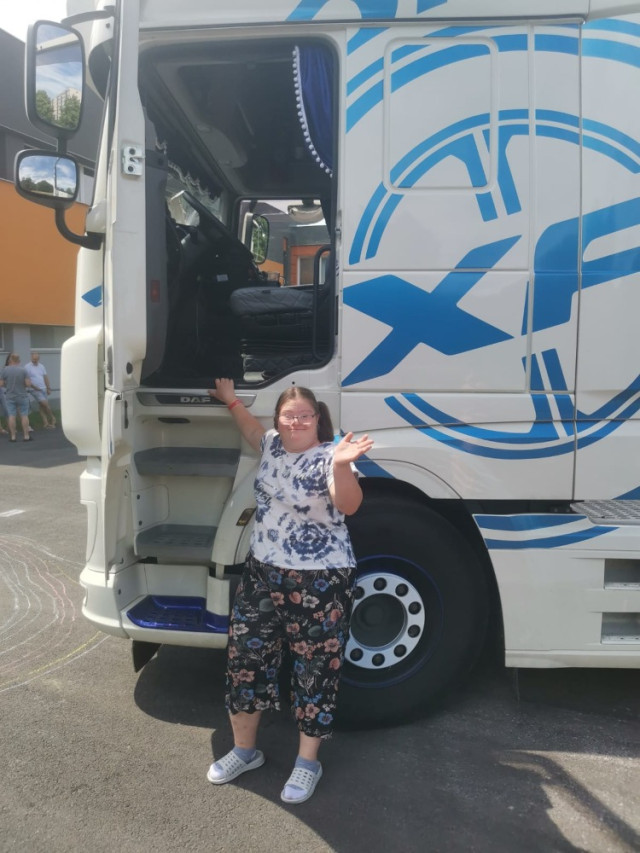
Eliška je nejmladší dcera ze sedmi dětí a žije v Ústí s maminkou Jaroslavou a tatínkem Jaroslavem. Trpí genetickou poruchou, downovým syndromem, který obnáší zpožděný mentální vývoj a další zdravotní handicapy. Donedávna ale vedla Eliška celkem normální život vzhledem k možnostem. Ačkoli je již dospělá, chováním a přístupem ke světu je spíše pořád malé dítě.

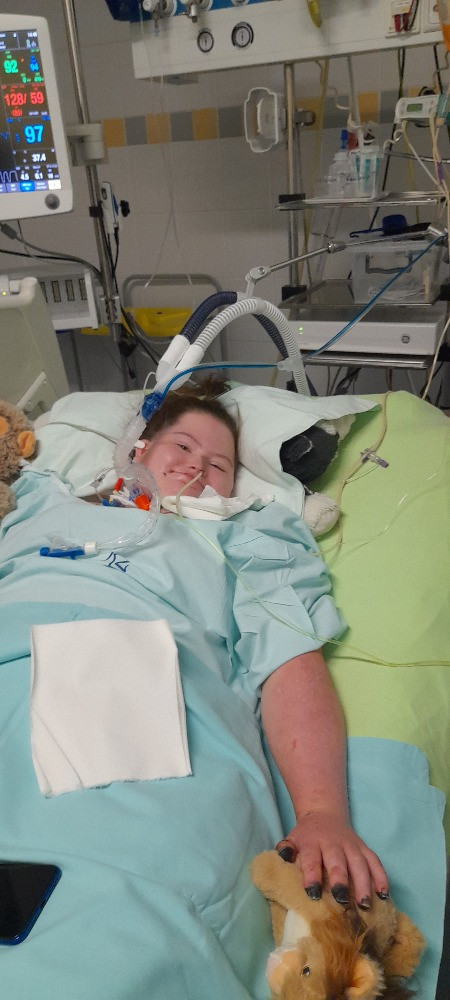
V červenci se Eliška dostala do nemocnice s těžkým zápalem plic. Udělali jí mnoho různých vyšetření a mimo jiné jí lékaři také diagnostikovali brániční kýlu. Když se stav stabilizoval, byla propuštěna do domácího ošetřování, ale neuběhl ani týden, a Elišce se začalo špatně dýchat. Lékaři potíže spojovali s kýlou a přijali ji na chirurgii. Během noci se ale situace stala kritickou a Eliška musela být uvedena do umělého spánku. Došlo k selhání ledvin a k septickému šoku. Rodiče mnoho nadějí nedostávali, lékaři je pomalu připravovali na nejhorší, ale Eliška jako zázrakem zabojovala. Eliščin organismus však bohužel přestal prokrvovat končetiny a gangréna hrozila zasáhnout další části těla. V den jejích 21. narozenin museli Elišce lékaři amputovat obě nohy pod koleny.
Rodiče, hlavně tatínek Jaroslav, byl celou dobu Elišce nablízku a ona si dokázala i přes všechny potíže zachovat jakžtakž pozitivní náladu. Bohužel ale byla teď Eliška přeložena na následnou intenzivní péči 100 km od bydliště svých rodičů. Ti jsou již ve starobním důchodu a starají se o dalšího syna s lehčím mentálním postižením, a tak je pro ně velmi obtížné cestovat jen na dvě hodiny, které jsou ve vzdálené nemocnici vyhrazeny návštěvám. Eliška je dívka s Downovým syndromem, která neumí číst ani psát, a v současném stavu nemůže ani slovně komunikovat. Dokáže se usmát, kývnout a lehce pohnout rukou. Další prognóza je nejistá, i když pomalu, velmi pomalu sledujeme určitý progres.
EN: Elishka is the youngest daughter of seven children and lives in Ústí nad Labem with her mother Jaroslava and father Jaroslav. She suffers from a genetic disorder, down syndrome, which involves delayed mental development and other health handicaps. Until recently, however, Elishka led a fairly normal life, considering her abilities. Although she is now an adult, she is still a young child in terms of behaviour and attitude to the world.
In July, Elishka was admitted to hospital with severe pneumonia. She was given many different tests and among other things the doctors diagnosed her with a diaphragmatic hernia. When her condition stabilized, she was discharged to home care, but before a week had passed, Eliška started having trouble breathing. Doctors linked the difficulty to the hernia and admitted her to surgery. But during the night the situation became critical and Elishka had to be put into artificial sleep. Her kidneys failed and she went into septic shock. The parents did not have much hope, the doctors slowly prepared them for the worst, but miraculously Elishka fought back. Unfortunately, Elishka's body stopped circulating blood to her limbs and gangrene threatened to affect other parts of her body. On the day of her 21st birthday, doctors had to amputate both of Eliška's legs below the knees.
Her parents, especially her father Jaroslav, were close to Elishka all the time and she managed to keep a somewhat positive mood despite all the difficulties. Unfortunately, Elishka was now transferred to intensive care 100 km away from her parents' home. They are already retired and taking care of another son with a mild mental disability, so it is very difficult for them to travel just for the two hours that are reserved for visits in the distant hospital. Elishka is a girl with Down's syndrome who cannot read or write, and in her current state cannot even communicate verbally. She can smile, nod and move her hand slightly. The future prognosis is uncertain, although slowly, very slowly, we are seeing some progress.
DE: Eliška ist die jüngste Tochter von sieben Kindern und lebt mit ihrer Mutter Jaroslava und ihrem Vater Jaroslav in Ústí. Sie leidet an einer genetischen Störung, dem Down-Syndrom, das mit einer verzögerten geistigen Entwicklung und anderen gesundheitlichen Beeinträchtigungen einhergeht. Bis vor kurzem führte Eliška jedoch ein für ihre Verhältnisse recht normales Leben. Obwohl sie inzwischen erwachsen ist, ist sie in Bezug auf ihr Verhalten und ihre Einstellung zur Welt immer noch ein kleines Kind.
Im Juli wurde Elishka mit einer schweren Lungenentzündung ins Krankenhaus eingeliefert. Sie wurde vielen verschiedenen Tests unterzogen, und die Ärzte diagnostizierten unter anderem einen Zwerchfellbruch. Als sich ihr Zustand stabilisierte, wurde sie in die häusliche Pflege entlassen, doch noch vor Ablauf einer Woche begann Eliška mit Atemproblemen. Die Ärzte brachten die Schwierigkeiten mit dem Leistenbruch in Verbindung und wiesen sie in die Chirurgie ein. Doch in der Nacht wurde die Situation kritisch, und Eliska musste in künstlichen Schlaf versetzt werden. Ihre Nieren versagten und sie erlitt einen septischen Schock. Die Eltern hatten nicht viel Hoffnung, die Ärzte bereiteten sie langsam auf das Schlimmste vor, aber wie durch ein Wunder kämpfte sich Eliska zurück. Leider hörte Eliškas Körper auf, ihre Gliedmaßen zu durchbluten, und der Wundbrand drohte andere Teile ihres Körpers zu befallen. Am Tag ihres 21. Geburtstags mussten die Ärzte Eliška beide Beine unterhalb der Knie amputieren.
Ihre Eltern, insbesondere ihr Vater Jaroslav, standen Eliška die ganze Zeit über nahe und es gelang ihr, trotz aller Schwierigkeiten eine einigermaßen positive Stimmung zu bewahren. Leider wurde Eliska nun auf die Intensivstation verlegt, die 100 km vom Haus ihrer Eltern entfernt ist. Sie sind bereits im Ruhestand und kümmern sich um einen weiteren Sohn mit einer leichten geistigen Behinderung, so dass es für sie sehr schwierig ist, nur für die zwei Stunden zu reisen, die für Besuche in dem weit entfernten Krankenhaus vorgesehen sind. Elishka ist ein Mädchen mit Down-Syndrom, das weder lesen noch schreiben kann, und in ihrem derzeitigen Zustand kann sie sich nicht einmal verbal mitteilen. Sie kann lächeln, nicken und ihre Hand leicht bewegen. Die Zukunftsprognose ist ungewiss, auch wenn wir langsam, sehr langsam, einige Fortschritte sehen.