
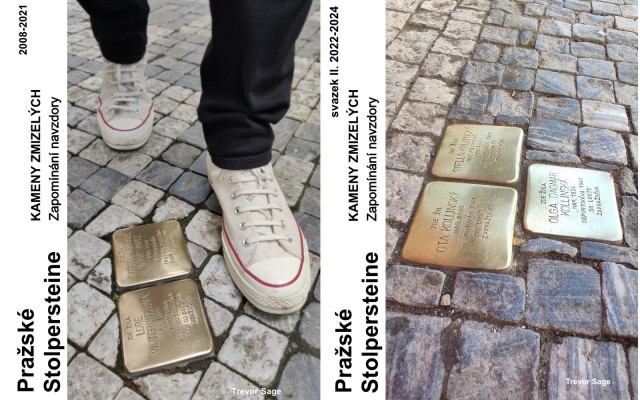

Co jsou Stolpersteiny?
For English version click here
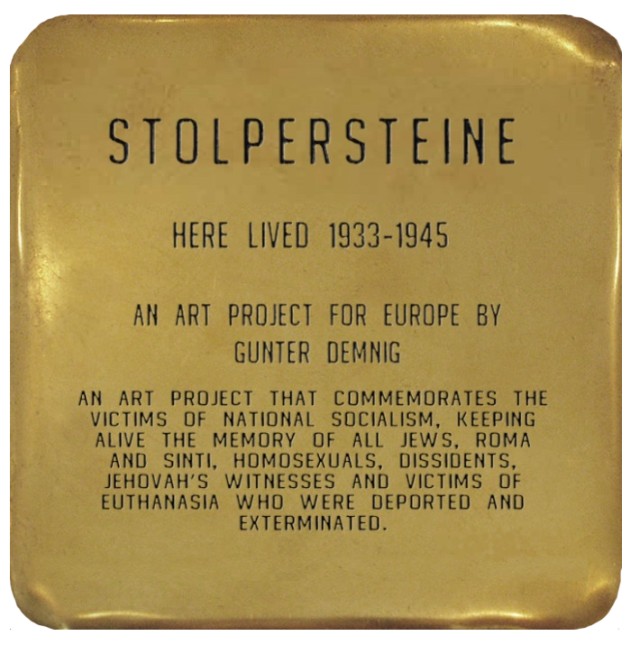
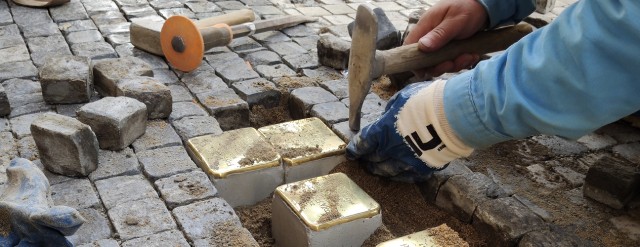
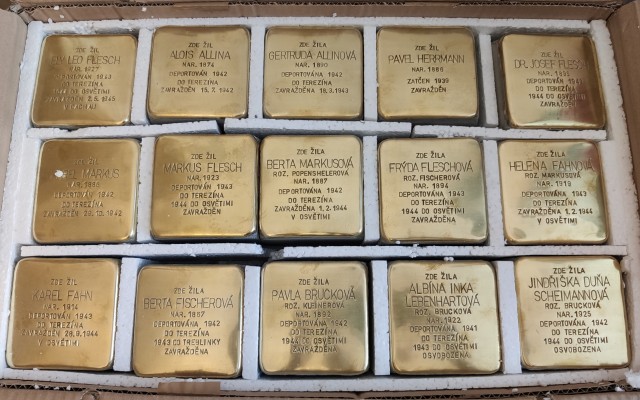
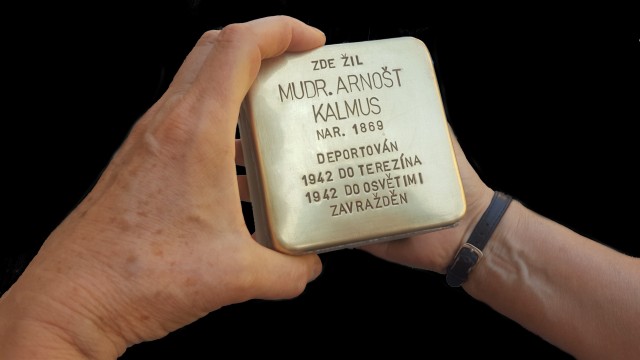
Mosazí pokryté dlažební kostky vnášejí do veřejného prostoru připomínku obětí nacionálního socialismu v letech 1933–1945. Do jejich povrchu jsou vyryta jména obětí s rokem narození, datem a místem deportace a jejich osudem. Umisťují se do dlažby před posledním místem bydliště, které si daný člověk mohl zvolit.
Stolpersteiny jsou projektem německého umělce Guntera Demniga. Demnig instaloval první Stolpersteiny v roce 1996 na berlínském Kreuzbergu. Dnes je jich rozmístěno již přes 106.000, ve více než 1.800 městech ve 29 zemích. Stolpersteiny jsou tak největším decentralizovaným památníkem na světě.
V Praze byl první Stolperstein instalován 8. října 2008, dnes jich má Praha již 784.
O autorovi
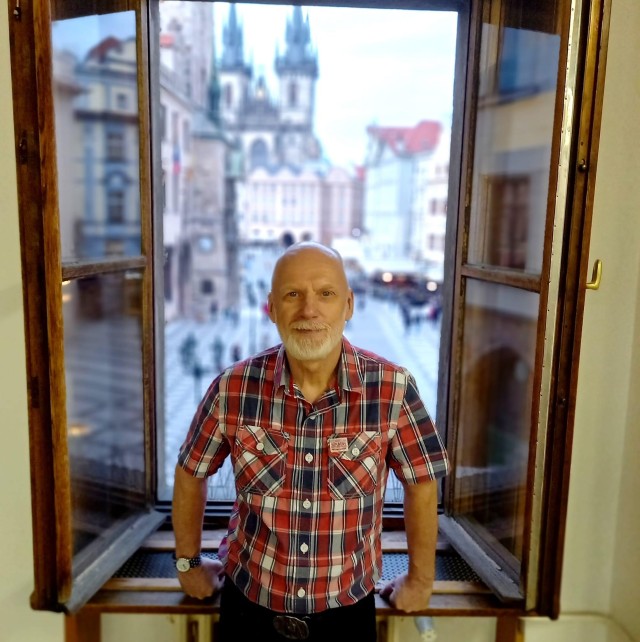
Jmenuji se Trevor Sage a pocházím z Londýna. Prahu jsem často navštěvoval jak pracovně, tak ve volném čase jako turista a natolik mi učarovala, že jsem se rozhodl do tohoto krásného města přestěhovat.
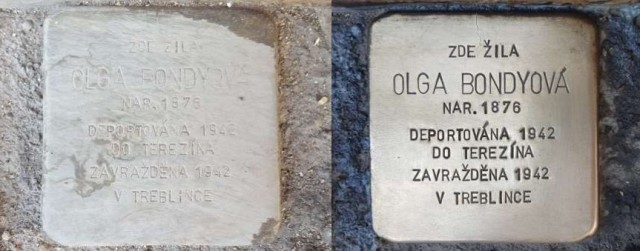
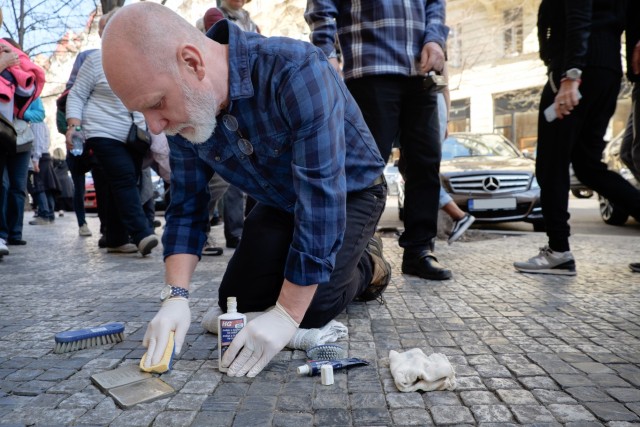
O Stolpersteinech jsem se dozvěděl při prohlídce pražské židovské čtvrti. Průvodce mi vysvětlil, že jejich německý název „Stolpersteine“, znamená kameny, o které lze jakoby „zakopnout pohledem“, ale v češtině se užívá název „kameny zmizelých“. Tento překlad do češtiny mi přišel smutně případný, protože mnoho kamenů, které jsem viděl, bylo zanesených špínou a bylo těžké přečíst jména do nich vyrytá. Měl jsem pocit, jako by tato jména mizela podruhé. Chtělo se mi mosazné destičky vyčistit, ale jakožto cizinec žijící ve svém adoptivním domově, jsem si nebyl jistý, zdali mi to přísluší.
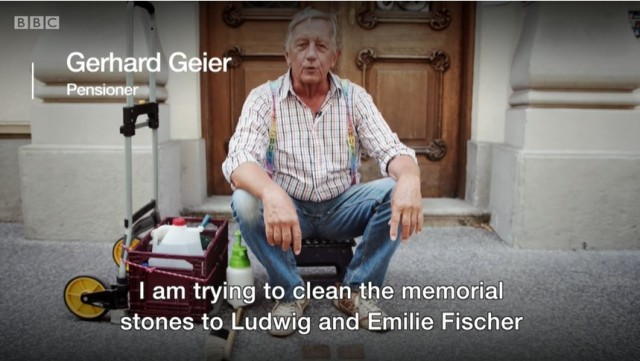
Inspiroval mě příběh Gerharda Geiera ze Salcburku, který vyčistil všechny Stolpersteiny ve svém městě. Gerhard, stejně jako já, není Žid a jeho rodina nebyla zasažena holocaustem.
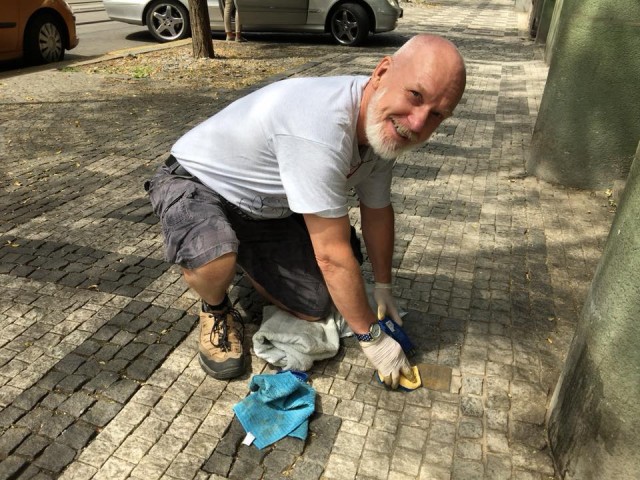
Z různých zdrojů jsem vypátral umístění prvních 284 kamenů. Tyto údaje jsem pak zanesl do mapy, kterou jsem dal k dispozici online a pustil se do čištění Stolpersteinů.
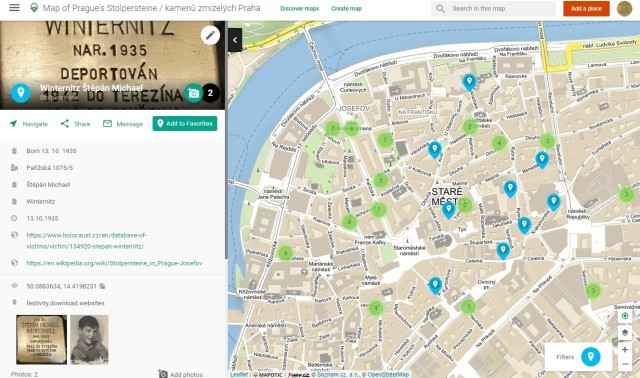
O můj projekt se začalo zajímat mnoho lidí, a tak jsem založil facebookovou stránku 'Stolpersteine Prague', kde mohl každý sledovat můj pokrok v čištění. Dnes má stránka přes 4.000 sledujících.
Při pátrání po pražských Stolpersteinech jsem nasbíral mnoho informací o obětech a jejich deportacích a také mnoho fotografií a pohnutých životních příběhů. Napadlo mě, že všechny tyto informace by měly být shrnuty do jedné publikace.
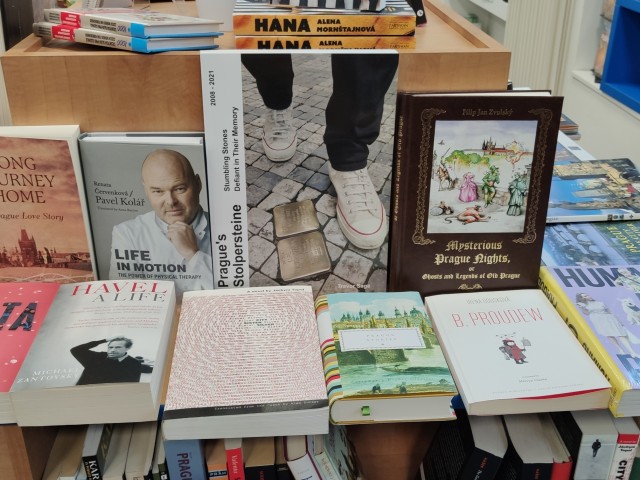
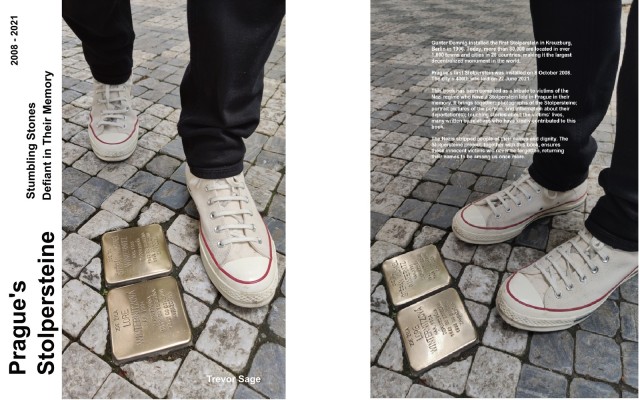
Knihu jsem sestavil a vydal v roce 2021 původně v angličtině s názvem „Prague's Stolpersteine - Stumbling Stones – Defiant in their Memory“. Kniha byla uvedena v rezidenci britského velvyslance v Praze.
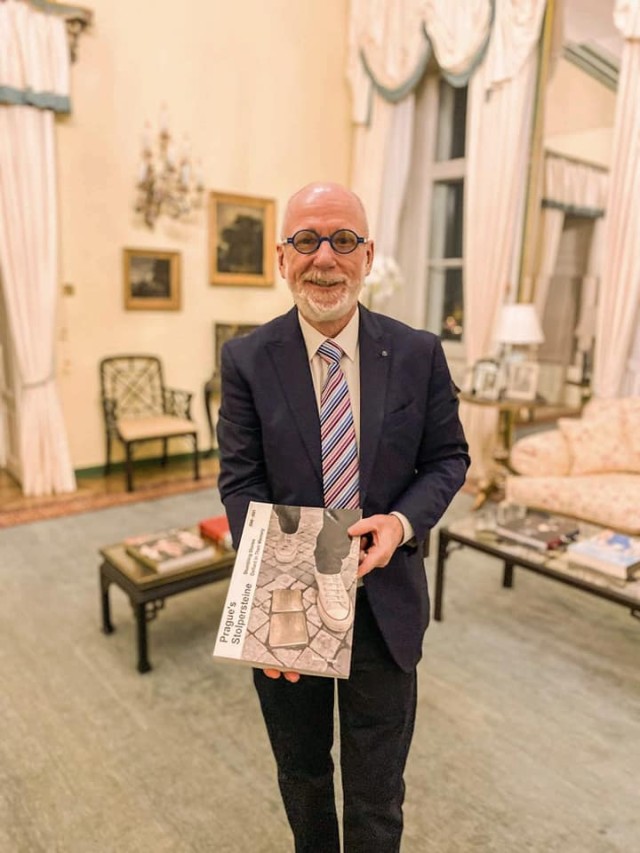
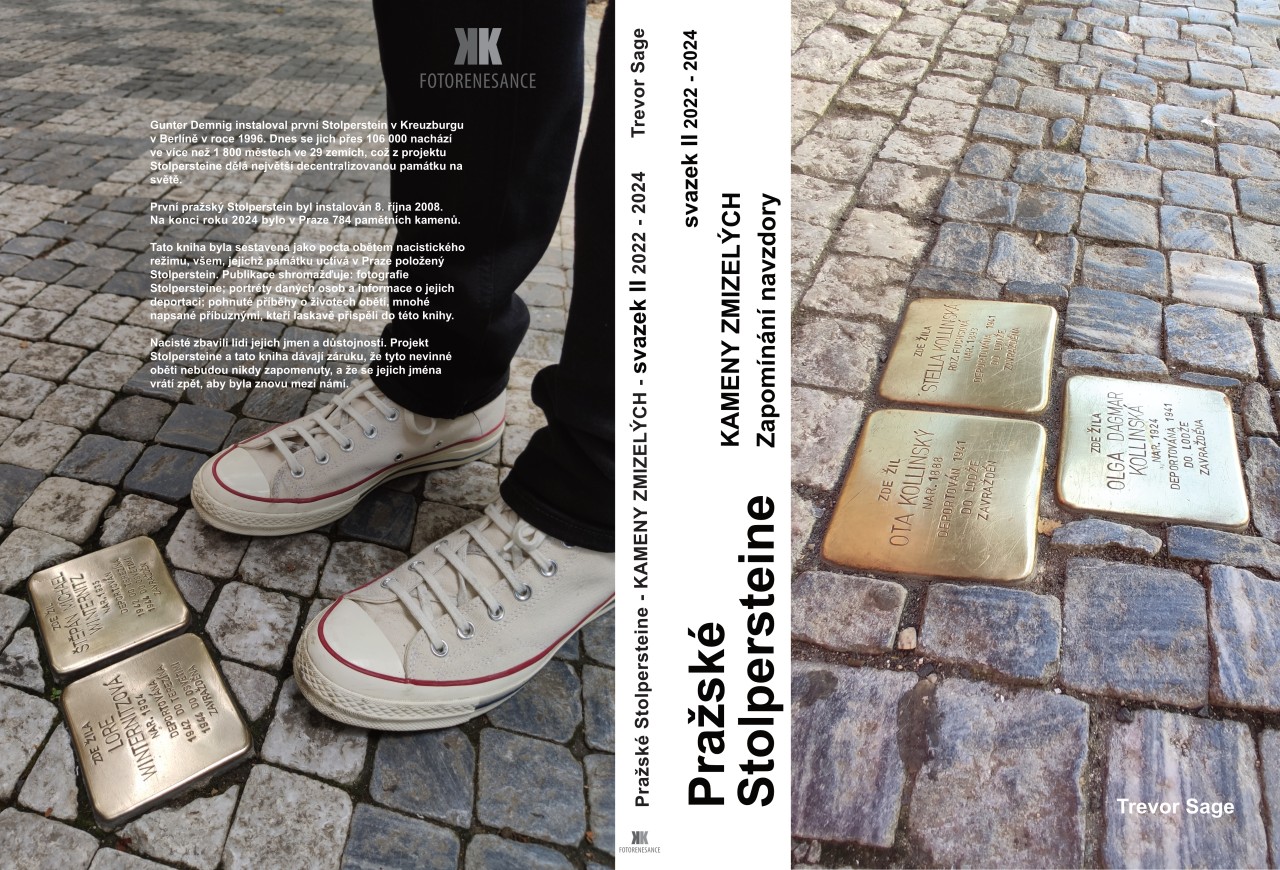
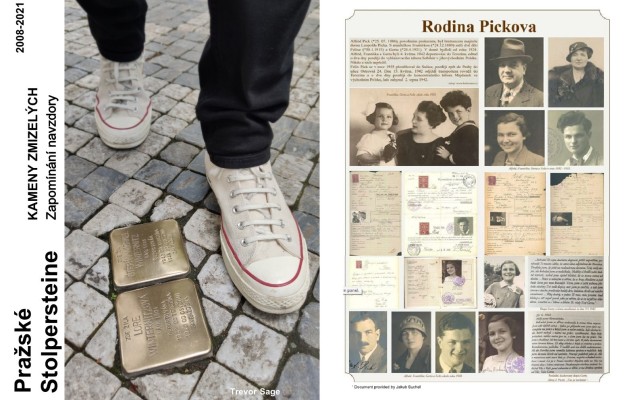
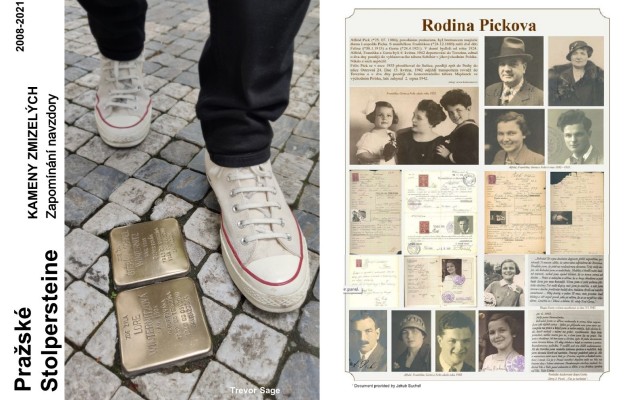
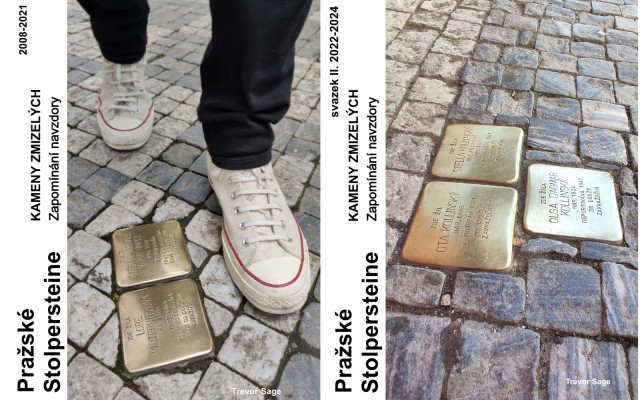
V roce 2023 byla kniha vydána také v českém překladu s názvem Pražské Stolpersteine – Kameny zmizelých – Zapomínání navzdory. Kniha obsahuje prvních 466 Stolpersteinů položených v Praze od roku 2008 do konce roku 2021.
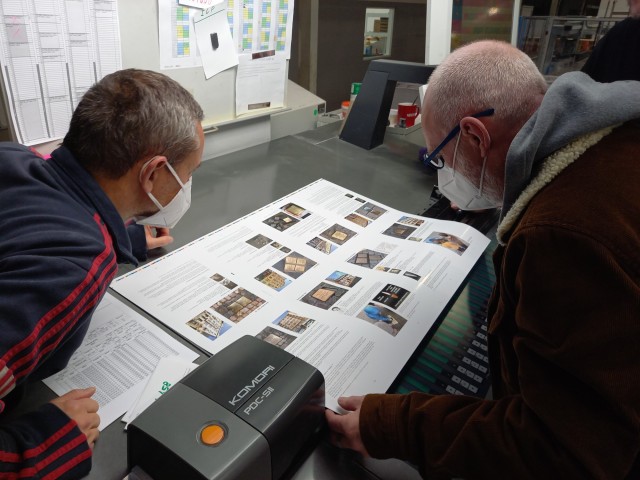
Více než 200 výtisků bylo dosud darováno školám a vzdělávacím institucím a další budou následovat.
Má kniha byla sestavena jako pocta všem obětem nacistického režimu, kterým byl ve městě položen Stolperstein.
Poprvé jsou zde do jedné publikace zkompilovány informace pocházející z mnoha zdrojů, mezi nimi: fotografie pražských Stolpersteinů, portrétní fotografie obětí ze sbírek Národního archivu, informace o deportacích z databáze Holocaust.cz, popisy transportů z archivu Yadvashem.org, a pohnuté životní příběhy obětí, mnohé vyprávěné příbuznými, kteří laskavě do knihy přispěli.
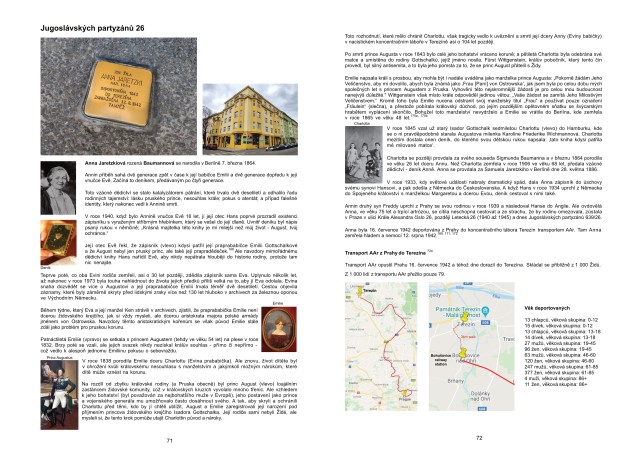
Informace obsažené v této knize pomohou propojit Stolperstein s člověkem, kterému je věnován a umožní tak pozorovateli nahlédnout do života a osudu konkrétního člověka, který se stal obětí nacistické ideologie.
Nacistický režim zbavil lidi jejich jmen a důstojnosti. Projekt Stolpersteine a tato kniha se snaží navrátit obětem jejich jména a zpřítomnit jejich osudy ve veřejném prostoru. Přispívají tak k tomu, aby na ně nikdy nebylo zapomenuto.
Můj cíl
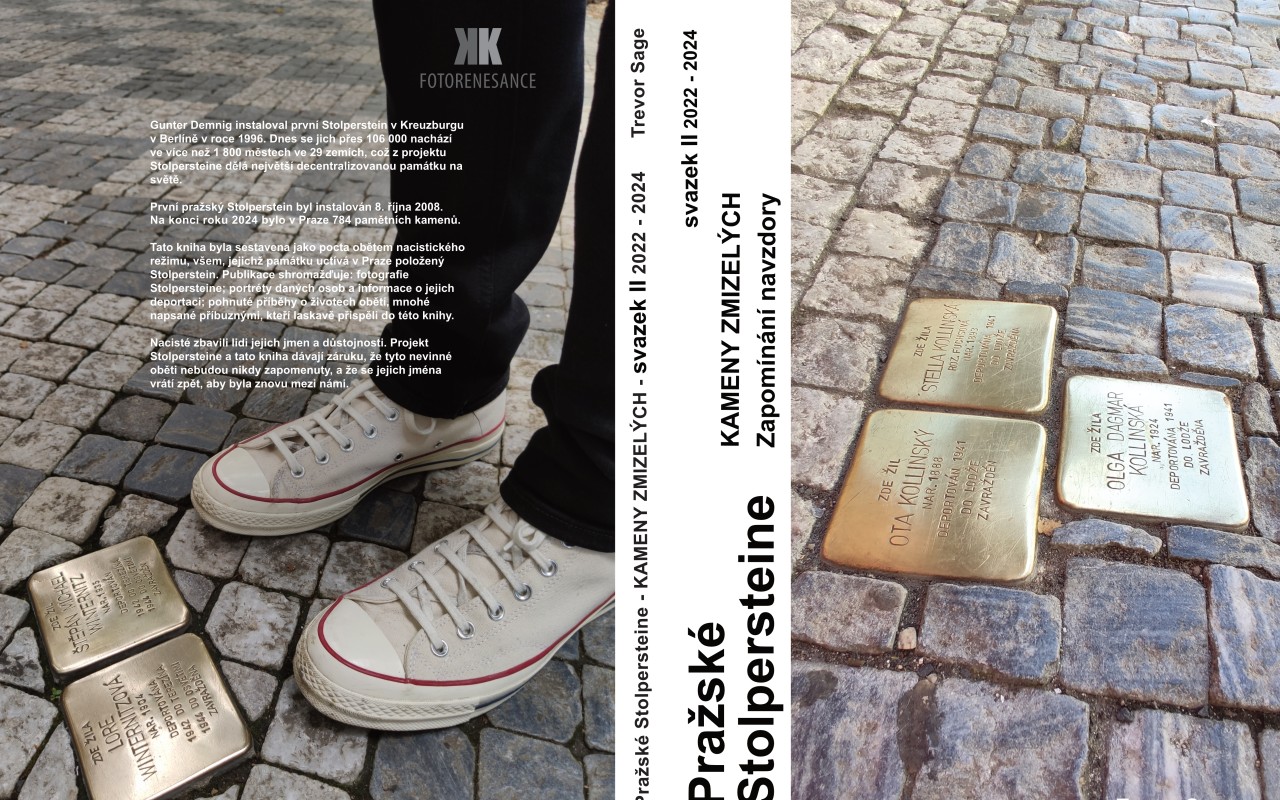
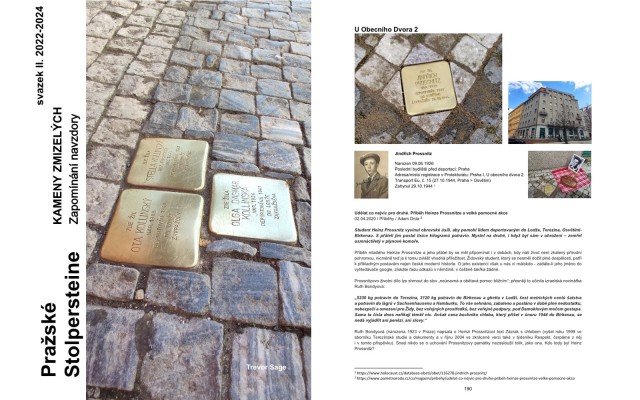
Mým cílem je získat finanční prostředky na vydání druhého dílu knihy Pražské Stolpersteine, která bude obsahovat 321 Stolpersteinů instalovaných v Praze v letech 2022–2024.
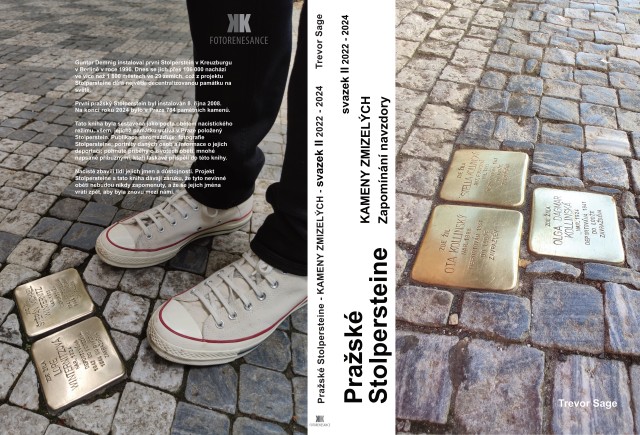
Knihu předpokládám vydat v květnu 2025. Bude obsahovat kolem 250 stran ve formátu A4 (s váhou kolem 1,25Kg). Doufám, že budu moci vytisknout nejméně 500ks. Pokud díky Vaší štědrosti překročí vybraná částka na Donio můj cíl, umožní to vytisknout knihu ve větším nákladu.
Vydání předchozího dílu knihy bylo podpořeno kulturními granty MČ Praha 1, 2 a 3. Doufám, že třetinu nákladů na vydání druhého dílu shromáždím i díky Vaší podpoře na Donio a zbytek prostřednictvím kulturních grantů pražských městských částí.
Získané finanční prostředky budou určeny pouze na tisk knihy a poplatky vydavateli. Stejně jako u minulého dílu, veškerou práci spojenou se sestavením a vydáním knihy dělám zcel bez nároku na jakýkoliv honorář. Také veškerá práce překladatelky a mých dalších pomocníků je poskytována bezplatně.
Zisk z prodeje knihy bude stejně jako u předchozího dílu věnován Veřejně prospěšnému sdružení na podporu osob postižených holocaustem, Spolek.org, konkrétně ve prospěch pražského projektu 'Stolpersteine v Praze', který pokládku Stolpersteinů organizuje a také zajišťuje náhradu Stolpersteinů v případě jejich ztráty při rekonstrukci chodníků.
Od roku 2021 bylo takto spolku darováno přes 95 000 Kč.
English description
Stolpersteine are brass-topped cobblestones that serve as a public reminder of the victims of National Socialism from 1933 to 1945. The stones bear the names of the victims, along with their year of birth, date and place of deportation, and their fate. These details are engraved on the surface of the stones, which are placed in the pavement in front of the person's last chosen place of residence.
The Stolpersteine project is the work of German artist Gunter Demnig. In 1996, Demnig installed the first Stolpersteine in Berlin's Kreuzberg district. Today, there are more than 106,000 Stolpersteine in 1,800 towns and cities in 29 countries, making it the largest decentralized monument in the world.
The first Stolpersteine were installed in Prague on 8 October 2008; today, the city has 784.
About the author
My name is Trevor Sage. I was born in London. I often visited Prague, both for work and as a tourist. The city enchanted me so much that I decided to move here when I retired.
I first became aware of the Stolpersteine during a tour of Prague's Jewish quarter. The guide explained to me that their German name, „Stolpersteine“, means stones that can be „stumbled upon with a glance“, but in Czech, the name translates as „stones of the disappeared“. I was moved by this translation because many of the stones I saw were covered in dirt, making it difficult to read the names etched into them. It seemed to me that the person's name was disappearing once again. I wanted to clean the stones, but as a foreigner living in my adopted home, I wasn't sure if it would be right for me to do so.
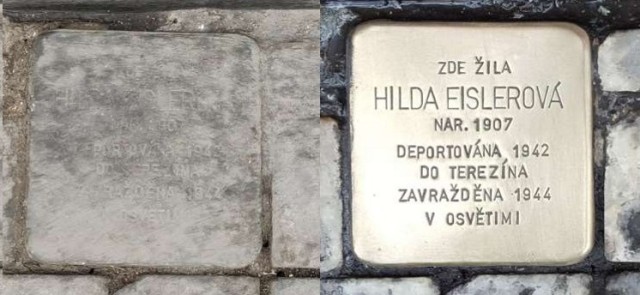
Then, in July 2018, I read an article about Gerhard Geier from Salzburg, who cleaned all the Stolpersteine in his city. Gerhard, like me, is not Jewish, and his family was not affected by the Holocaust. I was inspired by Gerhard’s action and decided I would do the same in Prague.
I traced the location of 284 stones from various sources. I then entered this data into a map I made available online and set about cleaning the Stolpersteine. Many people became interested in my project, so I started the Facebook page 'Stolpersteine Prague' so people could follow my progress in cleaning the stones. Today, the page has over 4,000 followers.
While researching the people who had a Stolpersteine, I collected a lot of information about them: photos of the person, their deportations, and moving life stories, many told to me by relatives. It occurred to me that all this information should be summarized in one publication, so I decided to compile a book titled 'Prague's Stolpersteine—Stumbling Stones—Defiant in their Memory.'
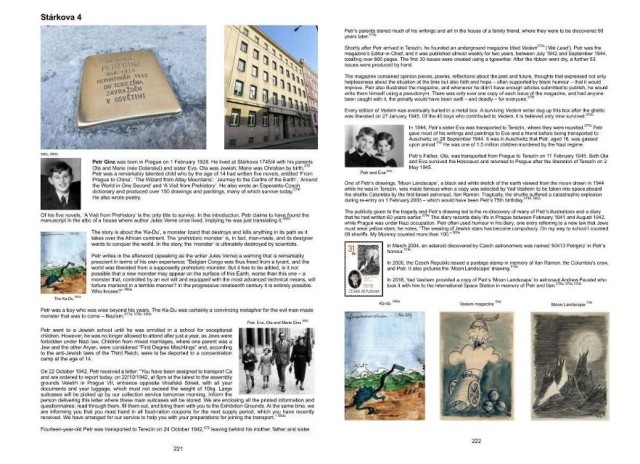
The book was published (in English) in 2021, with the launch held at the British Ambassador's residence in Prague. It contains the first 466 Stolpersteine laid in Prague between 2008 and 2021. The book was translated into Czech and published in March 2023.
To date, more than 200 copies of the book have been donated to schools, libraries and educational institutions.
The book was compiled as a tribute to all the victims of the Nazi regime who have a Stolperstein installed in Prague.
For the first time, information from many sources has been compiled into one publication, including pictures of the Stolpersteine, photographs of victims from the National Archives collections, information about deportations and descriptions of transports from the Yadvashem.org archive, and moving life stories of victims, many narrated by relatives who kindly contributed to the book.
The information contained in the book will help to connect the Stolperstein with the person to whom it is dedicated and thus allow the observer an insight into the life and fate of a specific person who became a victim of Nazi ideology.
The Nazi regime stripped people of their names and dignity. The Stolpersteine project and this book ensure their names are never forgotten.
My goal
My aim is to raise funds to publish the second volume of ' Prague's Stolpersteine ' (in Czech), containing 321 Stolpersteine installed in Prague between 2022 and 2024.
I hope to publish the book in May 2025 and print at least 500 copies. It will be approximately 250 A4 pages and weigh around 1.25 kg. If, thanks to your generosity, the amount raised through Donio exceeds my goal, more books will be printed.
Cultural grants from Prague districts 1, 2, and 3 supported the publication of the first book. I hope to raise a third of the cost of the publication of Volume II through your generous support at Donio and the remainder through cultural grants from the Prague city districts.
Funds received will be used only for printing the book and publisher costs.
I am compiling and typesetting the book myself without payment, and I will not receive royalties from the books sold. The translator's and other helpers' work is also being provided free of charge.
As with the first book, all profit from the sale of volume II will be donated to the non-profit ' Publicly Beneficial Association Supporting Persons Affected By the Holocaust ', specifically for the benefit of ' Stolpersteine v Praze ', which organizes the laying of Stolpersteine in Prague and the replacement of any stones lost through reconstruction.
Since November 2021, 95,000CZK / 4,100USD / 3,100GBP / 3,700EUR has been donated to the association from the book's sale.
I am grateful for every donation, large or small, received. Thank you.